
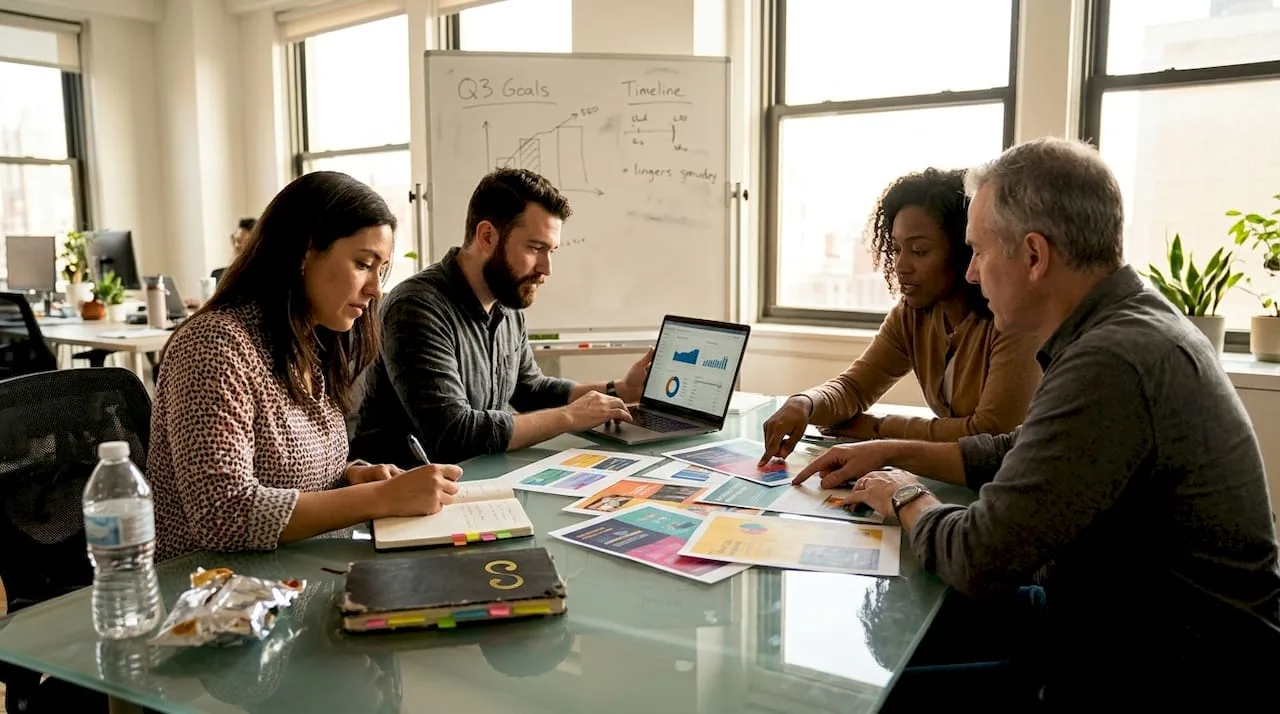
Images make content easier to notice and easier to remember, yet many marketers still treat design as the last step in a campaign. Graphic design is not decoration. It is a strategic tool that shapes how customers see you, sets your brand apart and affects results you can measure. This guide covers how design influences perception, which 2026 trends are worth testing and how to put a measurable visual strategy in place.
Key takeaways
| Point | Details |
|---|---|
| Images earn attention | Well-chosen visuals help posts stand out in crowded feeds and hold attention longer than text alone. |
| Design sets you apart | Investing in design differentiates you from competitors and raises perceived value. |
| Consistency builds memory | Consistent visual branding creates touchpoints customers recognise and remember. |
| Measure design's impact | Track engagement before and after design changes to understand the return. |
Why graphic design matters in modern marketing
Graphic design affects results you can see in your numbers. Campaigns built around strong visuals tend to perform better than text-heavy ones, and many businesses now invest in design specifically to stand out from competitors.
What good design does for marketing:
- Helps content get noticed and engaged with across digital platforms
- Supports clearer, more persuasive campaigns
- Builds memorable touchpoints through consistent visual branding
- Can reduce bounce rates and improve conversion when pages are easy to scan
This is why digital marketing essentials now put visual strategy alongside content and SEO. Design is the foundation of brand communication, not an optional extra.
Think about how people scroll. In a feed full of content, design decides which messages catch the eye and which vanish. Your visual identity is an instant recognition signal that communicates professionalism, values and difference before anyone reads a word.
The case goes beyond engagement. Thoughtful design supports retention, raises perceived value and builds emotional connection. Companies that treat design as a core marketing function rather than an afterthought are better placed to win and keep customers.
Pro Tip: Track engagement before and after design improvements. Compare click-through rates, time on page and conversion between generic and professionally designed materials to build an internal case for design investment.
People take in images very quickly, often before they read anything, so design is frequently your first marketing message. That shapes how customers perceive and interact with your brand at every touchpoint.
How graphic design influences consumer perception and behaviour
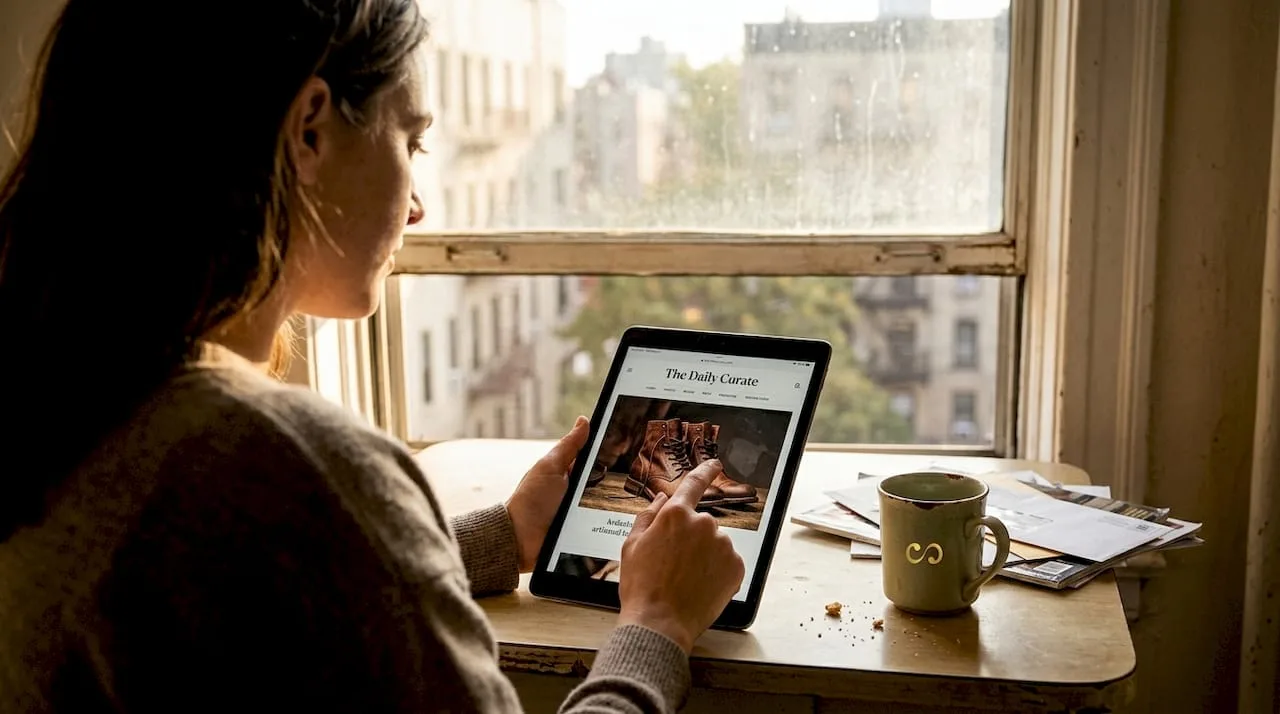
Design works through psychological principles that guide attention and decisions in fairly predictable ways. A review of eye-tracking research in design found that gaze patterns and visual attention data can inform design decisions, showing how layout and hierarchy steer people towards particular information and actions.
Visual hierarchy is a map for attention. Size, colour contrast, white space and position direct the eye to key messages in a set order. Once you understand these patterns, you can plan how people move through your materials so the important information gets seen and the supporting detail does not overwhelm it.
Design affects buying decisions in several ways:
- Colour shapes emotional response, brand perception and buying intent
- Typography conveys personality and affects readability and trust
- Layout guides the eye towards calls to action and key benefits
- Imagery builds aspiration and helps people understand the product
Together these shape preferences people are barely aware of. Customers form a view of your credibility, quality and relevance almost instantly, before any rational evaluation. That makes design your main tool for a good first impression.
Packaging and advertising show this clearly. The same product presented in two different ways can be seen as more or less valuable, desirable or trustworthy, even though nothing about the product itself has changed.
The visual branding process applies these principles systematically. Deliberate colour choices, consistent typography and considered imagery create a joined-up brand experience that builds recognition and trust over time.
Pro Tip: Map your customer journey and mark the decision points where design could remove friction or highlight value. Apply visual hierarchy at those moments to guide people towards the action you want while keeping the experience natural.
Accessibility makes design more effective. Inclusive design that accounts for colour blindness, visual impairment and cognitive differences widens your audience and improves usability for everyone. Clear contrast, readable fonts and intuitive layouts help all customers.
With these foundations in place, you can judge new design trends on their merits instead of following them blindly.
Navigating graphic design trends in marketing for 2026
Design in 2026 presents a choice between familiar minimalism and a more maximalist, expressive style. Each has strengths for differentiation and engagement. Bolder, more decorative work can stand out precisely because so much branding now looks alike.
| Design approach | Strengths | Considerations |
|---|---|---|
| Minimalism | Clean, professional, fast-loading, accessible | Can look generic and blend in |
| Maximalism | Distinctive, memorable, emotionally engaging | Needs careful execution to avoid overwhelming |
| Decorative typography | Strong personality, instant recognition | Must balance creativity with readability |
| Hybrid approaches | Combines clarity with originality | Needs experienced designers |
Minimalism dominated the past decade with its clarity, speed and accessibility. But as it became the default, it stopped setting brands apart. When every brand uses the same clean look, identities blur and recall suffers.
Maximalist and decorative styles push back with visual richness, bold colour combinations and expressive type. A little visual friction can make work more memorable, because people remember distinctive experiences more readily than safe, predictable ones.
Trends shaping marketing design in 2026:
- Decorative and experimental typography that shows personality instantly
- Layered compositions that reward a closer look
- Bold colour palettes that break away from safe corporate neutrals
- Custom illustration and graphics in place of generic stock imagery
- Animated and interactive elements that invite engagement
Behind all of these is a shift towards originality as a competitive advantage. Generic design, however well executed, rarely creates the memorable experiences that drive loyalty and word of mouth.
Your branding strategy for 2026 should judge these trends against your brand personality and audience. A law firm and a creative agency need very different visual approaches, even when both want to be distinctive.
Pro Tip: Adopt trends gradually rather than overhauling your identity overnight. Try maximalist elements in social graphics or email headers while keeping your core brand consistent, then measure engagement and feedback before going further.
Accessibility still applies whatever the aesthetic. Decorative type must stay readable, bold colours need enough contrast and visual richness should support your key messages and calls to action, not bury them.
The strongest design strategies for 2026 balance originality with usability, creating distinctive identities that still work across devices, platforms and contexts. That takes deliberate design thinking rather than trend-chasing.
Applying graphic design strategies to brand messaging and engagement
Using design strategically means understanding your audience's mindset and testing visual elements to improve engagement and conversion. Visual hierarchy, psychographic insight, A/B testing and personalisation work best together.
A step-by-step approach:
- Understand your audience's values, ambitions, pain points and visual preferences through surveys, interviews and behavioural data
- Write visual brand guidelines that match design choices to those preferences while keeping your brand's own personality
- A/B test key visual elements, such as colour schemes, typography, imagery and layout, on landing pages and campaigns
- Personalise visual content by customer segment, using design elements that adapt to preferences and behaviour
- Design sales collateral that carries your identity consistently, from social graphics to presentation decks and email templates
- Review performance regularly to see which design elements drive engagement, conversion and retention, then refine
Psychographic insight turns generic design into targeted marketing. Knowing whether your audience values innovation or tradition, simplicity or sophistication, emotion or logic should guide every choice from colour to imagery.
A/B testing takes the guesswork out. Test button colours, headline treatments, images and layouts systematically. Small visual changes can make a surprisingly large difference. Record the results so you build up knowledge about what works for your audience.
AI-powered personalisation makes it possible to adapt visuals at scale. Modern marketing platforms can serve different design variations to different segments automatically, based on behaviour, demographics and preferences.
Sales collateral deserves particular attention. Decks, one-pagers, case studies and proposal templates are touchpoints where design directly affects whether a deal moves forward. Consistent, polished materials build credibility and reinforce your positioning.
Pro Tip: Build a simple design decision matrix that links visual elements to the emotions and actions you want. When choosing between options, check the matrix so design serves strategy rather than personal taste.
Test accessibility alongside your A/B tests. Make sure every variation meets WCAG standards for contrast, readability and navigation.
Measurement closes the loop. Track engagement, conversion, time on page, bounce rate and customer feedback for each design change, and use the results to justify continued investment.
Expert graphic design services from LOOM Brand Designs
Turning design strategy into finished work takes expertise that balances creativity with marketing results. LOOM Brand Designs creates visual work that earns attention and sets brands apart. Our professional graphic design services combine strategic thinking with creative execution to produce marketing materials that get noticed and convert.
Whether you need a full brand identity or campaign graphics, our packages scale to your needs. The basic branding package provides visual foundations for new businesses, while the standard branding package delivers a complete visual system for established brands that want to stand apart.
We bring the audience insight, trend awareness and testing described in this guide into our work, so the designs we create look good and serve your marketing goals.
Frequently asked questions
What role does graphic design play in brand recognition?
Consistent design creates visual cues people remember through repeated exposure. Colour, typography, logo placement and imagery combine into a visual signature customers associate with you. Over time that consistency builds familiarity and trust, so people recognise you even before they read anything.
How can marketers measure the effectiveness of graphic design in campaigns?
Use engagement rates, A/B test results and customer feedback. Track click-through rate, time on page, conversion, social engagement and bounce rate before and after design changes. Compare variations systematically to see which visual elements drive the actions you want.
Should businesses prefer minimalist or maximalist design?
It depends on your brand personality and audience. Minimalism suits brands that stress simplicity, efficiency and professionalism; maximalism suits brands built on creativity, energy and boldness. Many strong brands blend the two, using clean layouts for usability and distinctive elements for memorability.
What are the benefits of combining AI with human graphic design?
AI speeds up repetitive tasks, generates variations for testing and personalises visuals at scale. Human designers provide strategic direction, emotional judgement and brand consistency. Working together, designers can focus on creative strategy while AI handles routine production.
What practical tips should business owners follow when using graphic design?
Understand your audience so design choices connect with them. Prioritise accessibility with good contrast, readable type and clear navigation. Use original visual elements that set you apart while staying consistent across touchpoints. Test designs with A/B tests and performance data so decisions rest on evidence rather than assumptions.
The Hashtag Loom